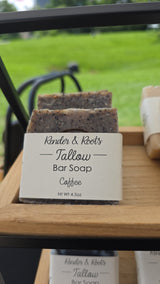
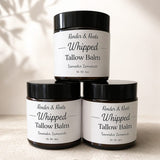
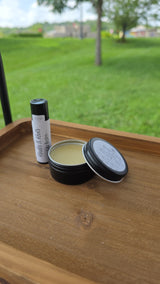
If you're acne-prone or have oily skin, this is probably the question that's stopping you from trying tallow balm: will it clog my pores? It's a smart question to ask before putting any new fat-based product on your face. Here's what's actually going on.
What "non-comedogenic" actually means
Comedogenic ratings describe how likely an ingredient is to clog pores, on a scale most estheticians use informally from 0 (won't clog) to 5 (highly likely to clog). Grass-fed tallow generally rates low on this scale — most sources place it around 2, similar to many plant oils people already use on acne-prone skin without issue.
The reason comes down to composition, not marketing. Tallow's fatty-acid makeup — heavy in oleic, palmitic, and stearic acids — is remarkably close to the fatty-acid profile of human sebum. Skin doesn't have to work as hard to process an oil that closely resembles what it already produces, which is a big part of why tallow tends to sit well even on reactive skin.
Why "skin-identical" matters more than "natural"
A lot of natural oils get recommended for skincare without much thought to comedogenicity — coconut oil, for example, is prized for cooking but rates high on the comedogenic scale and is a common trigger for breakouts in acne-prone people. "Natural" and "non-comedogenic" aren't the same thing.
Tallow's advantage isn't that it's natural — it's that its specific fatty-acid ratio happens to closely track human sebum. That's a structural fact about the fat, not a claim about what it does once it's on your skin. If you want the full comparison, we broke down the fatty-acid numbers on our Why Tallow Works Better page.
Who should patch test first
Comedogenic ratings are averages, not guarantees — every face is different. We'd recommend a patch test before full use if you:
- Have active acne or are prone to breakouts
- Have a known sensitivity to any of our essential oil blends
- Are trying tallow-based skincare for the first time
- Have very oily or congestion-prone skin
How to patch test properly
Apply a small amount to your inner forearm or jawline and leave it for 24–48 hours without washing the area. Watch for redness, itching, or new breakouts in that spot. If your skin stays clear, you're generally good to introduce it to your face gradually — start with a thin layer every other day before working up to daily use.
If you do notice breakouts
Everyone's skin biology is different, and no ingredient works for 100% of people. If you notice congestion after patch testing, our Unscented balm is the cleanest way to isolate whether it's the tallow base or one of the essential oil blends causing the reaction — try switching to Unscented before ruling out tallow altogether.
Try it low-risk
The 2oz Scent Flight is the easiest way to patch test without committing to a full-size jar — pick three scents (Unscented included) for $20 and see how your skin responds before going all-in.